What is the best AI for creating images if you want to get started for free?
Today this question can finally be answered. Creating high-quality images no longer requires tools like Canva, Adobe Photoshop, or other advanced design software.
Producing high-quality visuals used to require professional designers, expensive stock photo libraries, or hours of editing work. Artificial intelligence has completely changed this process.
With just a text description, tools such as Bing Image Creator, Midjourney, and Stable Diffusion can generate illustrations, concept art, and realistic images in just a few seconds.
This new generation of AI image tools is already being used by content creators, marketing teams, and companies that need to produce visual materials quickly and at scale.
But with so many options available, many people feel confused.
In this article, you will see a direct comparison between Bing Image Creator, Midjourney, and Stable Diffusion, including practical examples, strengths of each tool, and guidance on which one makes the most sense depending on the type of image you want to generate.
What Is an AI Image Generator and Why It Became a Marketing Tool
AI image generation tools transform text descriptions (prompts) into realistic or artistic images using diffusion models, a technique that learns to reconstruct images from visual noise.
Instead of starting with ready-made pixels, the model begins with random visual “noise” and gradually refines it through multiple steps until it forms an image aligned with the prompt.
This technology has gained traction rapidly.
The AI image generation market grew from $0.37 billion in 2024 to $0.44 billion in 2025, with projections reaching $0.84 billion by 2029, driven by e-commerce, social media, and digital marketing. (Source: Research Markets)
At the same time, surveys show that 86% of creators already use generative AI for content production. (Source: Adobe Blog)
This growth explains why image-generation tools are becoming part of the digital marketing stack of many companies, especially for producing visual creatives for social media, blogs, and marketing campaigns.
Many organizations report significant increases in visual content production speed. (Source: Generative AI Impact)
In corporate environments, companies increasingly use cloud-based image generation APIs to integrate visual creation directly into marketing workflows and content automation.
Recently, some luxury brands have even experimented with AI-generated campaigns on social media, publishing branding pieces generated by algorithms.
Public reaction has been mixed, showing that the use of this technology is still going through a cultural adaptation phase.
TRY OUR TOOLS DIRECTORY BELOW TO DISCOVER MORE AI TOOLS THAT CAN BOOST YOUR BUSINESS
Bing Image Creator, Midjourney, or Stable Diffusion: Which Is the Best AI for Creating Images?
Although many other popular tools exist — such as Leonardo AI, Runway, Krea AI, Grok, and models like Sora, as well as Nano Banana, which are gaining space in AI image and video generation — this article focuses on three major tools:
- Bing Image Creator (DALL-E 3)
- Midjourney
- Stable Diffusion
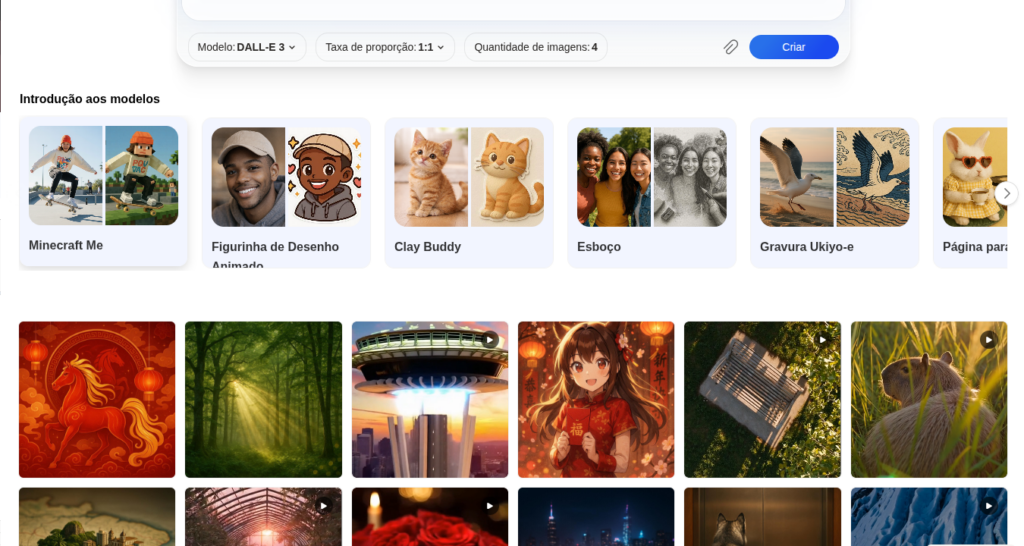

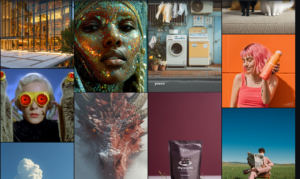
Each one was built with different priorities.
| Metric | Bing (DALL-E 3) | Midjourney V7 | Stable Diffusion 3.5 |
| Realism | 95% accuracy | 88% | 85% (base) |
| Artistic Style | Good | Excellent | Variable |
| Prompt Fidelity | 92% | 82% | 70% |
| Consistency | High | High | Model-dependent |
| Resolution | 1024×1024 | Variable | Variable |
| Speed | Fast with boosts | Fast | Depends on steps (20–50) |
| Strength | Free and simple | Advanced artistic style | Full customization |
| Best Use | Quick marketing images | Illustrations and concept art | Professional projects and creative control |
In practice, the choice depends on the user’s objective: speed, visual quality, or technical control.
Which AI Creates the Most Realistic Images?

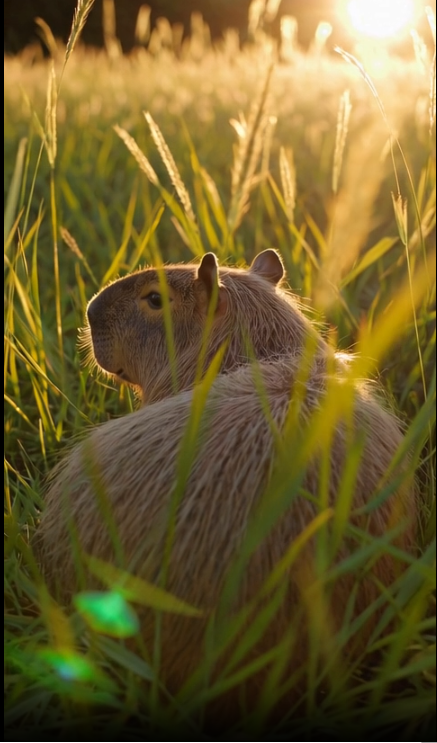
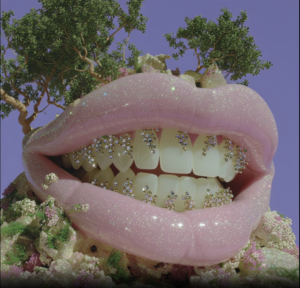
In comparative tests, Bing Image Creator (based on DALL-E 3) usually leads in prompt fidelity and photorealism, reaching about 95% adherence to textual descriptions.
This means it tends to reproduce more accurately:
- objects described in the prompt
- text within images
- realistic scenes
This happens because the DALL-E 3 model was trained to interpret long prompts with greater semantic accuracy, reducing common errors in object placement and scene composition.
Midjourney, however, excels in another dimension: artistic coherence. (Source: eWeek)
It often produces more cinematic or stylized images, which is why it is preferred by many designers and digital artists.
Stable Diffusion can achieve similar quality when configured correctly, but the base model generally produces less consistent results without customization.
In comparative tests, Bing Image Creator (based on DALL-E 3) usually leads in prompt fidelity and photorealism, reaching about 95% adherence to textual descriptions.
This means it tends to reproduce more accurately:
- objects described in the prompt
- text within images
- realistic scenes
This happens because the DALL-E 3 model was trained to interpret long prompts with greater semantic accuracy, reducing common errors in object placement and scene composition.
Midjourney, however, excels in another dimension: artistic coherence. (Source: eWeek)
It often produces more cinematic or stylized images, which is why it is preferred by many designers and digital artists.
Stable Diffusion can achieve similar quality when configured correctly, but the base model generally produces less consistent results without customization.
Platforms such as Automatic1111, ComfyUI, and InvokeAI further expand control over the model, enabling advanced image-generation pipelines.
Midjourney or Stable Diffusion: Which Is Better?
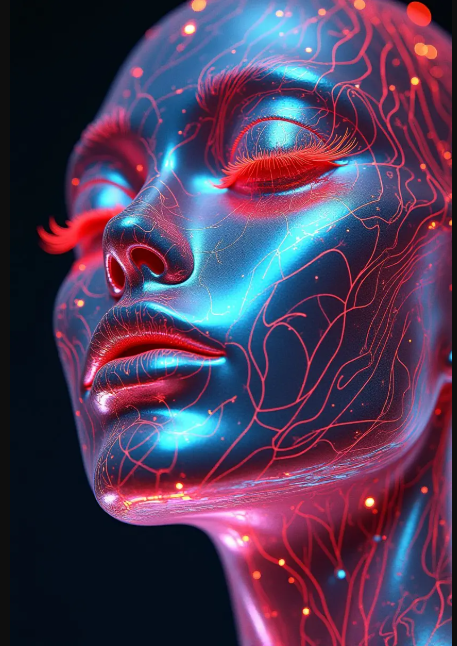
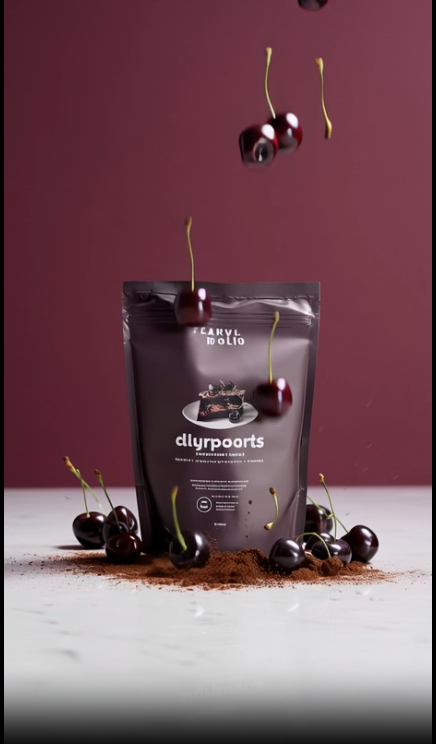
It depends on the level of control the user wants.
Midjourney is ideal when the goal is to generate visually impressive images with minimal adjustments. It offers:
- consistent artistic styles
- strong generation of complex scenes
- tools such as upscale and regional editing
Stable Diffusion, on the other hand, is more powerful for users who need advanced customization.
Because it is open source, it allows:
- training custom models
- using LoRAs and proprietary datasets
- running locally without relying on external services
This makes it widely used for product mockups, proprietary datasets, and customized creative pipelines.
Is Bing Image Creator Really Free?
Yes. Bing Image Creator offers free image generation through a Microsoft account.
The tool uses a system of daily “boosts” that accelerate image generation. After the boost limit is reached, images can still be generated for free — but at a slower speed.
This makes Bing one of the most accessible options for anyone who wants to create images with AI for free, especially for:
- social media posts
- blog images
- quick visual prototypes
Which AI Generates Images the Fastest?
In general, cloud-hosted tools tend to be faster.
Bing Image Creator typically generates images quickly while boosts are available.
Midjourney is also fast on its dedicated servers.
Stable Diffusion’s speed depends heavily on:
- hardware
- number of diffusion steps configured
On well-configured local machines or servers, Stable Diffusion can become extremely fast — but this requires infrastructure.
Which AI Should You Choose for Each Type of Use?
Each tool tends to perform better in different scenarios.
| Use Case | Bing (DALL-E 3) | Midjourney V7 | Stable Diffusion 3.5 |
| Best AI for marketing | X | X | |
| Best AI for logos and artwork | X | X | |
| Best AI for beginners | X | ||
| Best AI for creative control | X | ||
| Best AI for social media | X |
This shows that the question “what is the best AI for image generation?” depends much more on the type of visual project you want to create — marketing, design, branding, or prototyping — than on the technology itself.
FAQ
What is the best AI for generating images for free?
Among the tools analyzed, Bing Image Creator is one of the most accessible options for generating images for free. It uses the DALL-E model and allows users to create images directly from text prompts, making it ideal for blog posts, social media images, and quick visual prototypes.
Midjourney or Stable Diffusion: which is better?
It depends on the objective. Midjourney typically generates images with more consistent artistic and cinematic style, making it popular among designers and artists. Stable Diffusion provides greater technical control and customization, allowing users to train their own models or run the tool locally.
Which AI creates the most realistic images?
Tools based on the DALL-E model, such as Bing Image Creator, usually show high prompt fidelity and strong photorealism. However, Midjourney also produces highly detailed images, while Stable Diffusion can reach similar results when properly configured and fine-tuned.
Conclusion: The Best AI Image Generator Depends on the Result You Need
AI image generation has evolved from a technological curiosity into a practical tool integrated into the workflow of creators, marketing teams, and digital companies.
Tools like Bing Image Creator, Midjourney, and Stable Diffusion demonstrate how rapidly this technology has advanced.
For SMEs, entrepreneurs, and business leaders, the key point is not simply choosing the “most advanced tool”, but understanding which one solves the specific problem of the business.
Whether the goal is:
- producing marketing creatives
- accelerating visual content creation
- testing new design ideas faster
The trend is that these tools will continue to evolve rapidly and become even more integrated into marketing, design, and content production workflows.
Those who start experimenting now gain an important advantage:
Learning how to transform ideas into images in seconds, something that until a few years ago required much more time, resources, and specialized teams.
TRY OUR TOOLS DIRECTORY BELOW TO DISCOVER MORE AI TOOLS THAT CAN BOOST YOUR BUSINESS