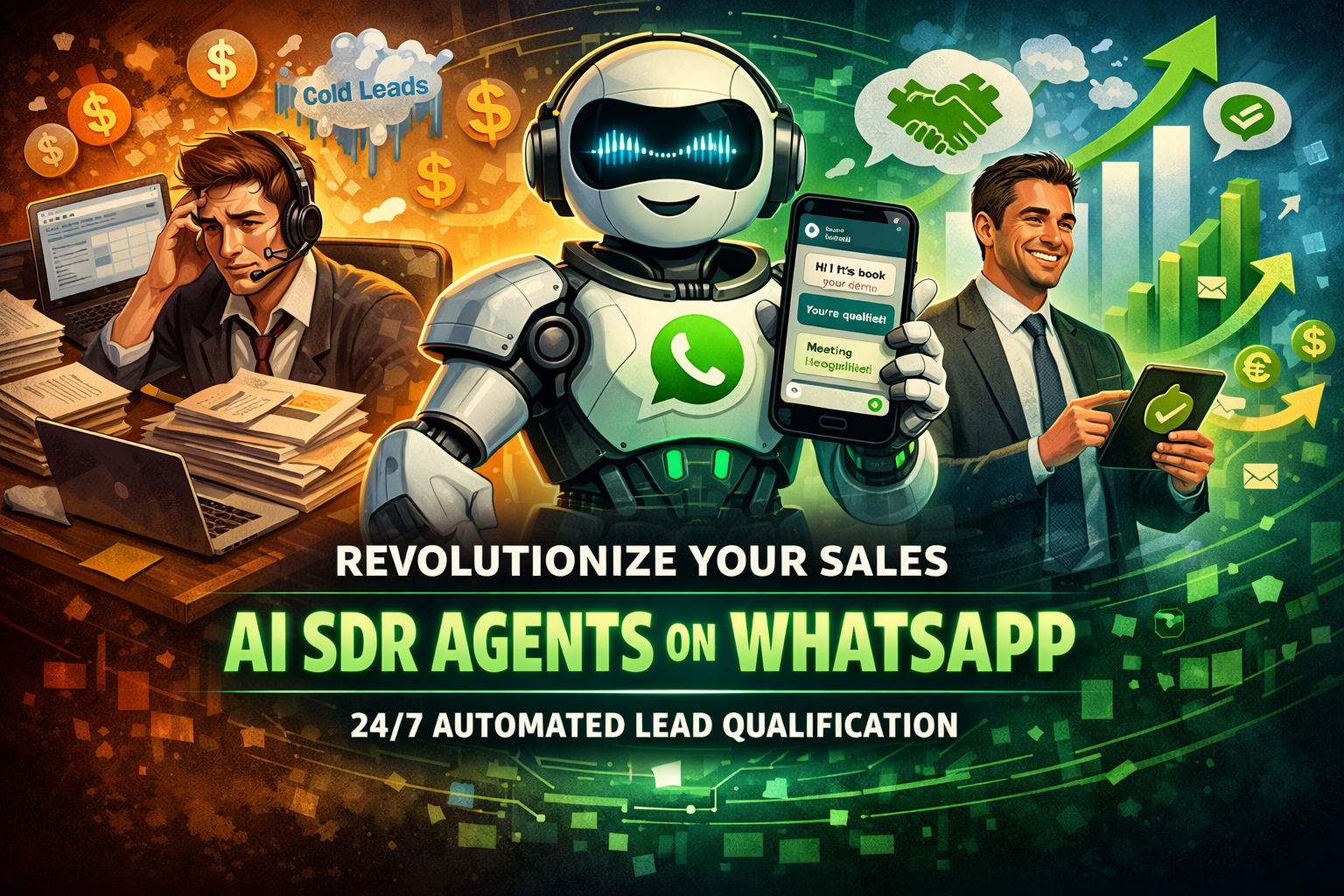
Efficiency has always been the driving force behind technological innovation.
For decades, whenever someone mentioned automation, the image that came to mind was of factories, conveyor belts, and industrial robots replacing repetitive tasks on the shop floor. That was the classic picture of what it meant to optimize processes, cut operational costs, and reduce manual labor inside major industries.
But something changed — and it changed dramatically.
Today, that same logic of optimizing processes and eliminating rework has reached a territory that, until recently, seemed exclusively human: creativity. The relentless pursuit of efficiency moved off the production line and into creative workflows, completely transforming the way modern brands manage their digital identity.
Artificial intelligence is redefining how brands build, manage, and scale their digital presence.
And we are not just talking about generating a pretty image with a single click.
We are talking about an entirely new operating model, where complete creative workflows — from brand identity to promotional content production — can be executed with far more speed and consistency than any team could achieve manually. AI agents are already capable of automating daily branding tasks, from core visual design to large-scale asset generation, giving teams the tools to create cohesive brand experiences in a fraction of the time it would have taken before.
For brands still stuck in slow, manual processes, the question is no longer whether AI will impact branding.
The question is already how much they are losing by not adopting it sooner. 🚀
From industrial automation to intelligent workflows
Automation is no longer limited to industrial systems and manufacturing. Modern companies are now applying that same philosophy to creative workflows to streamline design, improve consistency, and manage digital assets far more efficiently. It is a natural evolution: if technology already proved its value saving time and resources on the factory floor, why wouldn’t it do the same inside marketing and creative departments?
Solutions like automated branding platforms help teams create and expand their visual identity through intelligent, software-driven workflows. This new wave of automation directly fuels long-term business growth. By taking over repetitive design tasks, AI allows brands to scale their operations while maintaining a sharp, consistent presence across every channel where they show up.
What Creative Automation actually means for Branding
When we talk about creative automation, we are describing something far more sophisticated than simply using software to generate graphics. The concept involves integrating artificial intelligence systems capable of learning a brand’s visual and communication patterns and, from there, producing assets, copy, videos, and entire campaigns while maintaining full coherence with the established brand identity. It is like having a creative professional who never forgets the guidelines, never gets tired, and keeps learning from every new project delivered. For marketing teams dealing with growing demands and increasingly tight deadlines, this is not a luxury — it is a real necessity.
The impact on branding goes far beyond productivity. When a brand manages to maintain visual and narrative consistency across every touchpoint — social media, email marketing, paid ads, corporate materials — it starts being perceived with far more credibility and authority by its audience. And that is exactly where creative automation becomes a powerful strategic ally: it does not just speed up production, it also ensures that every piece created is aligned with the brand’s positioning, reducing errors, rework, and that notorious inconsistency that shows up when many people work on the same project without a centralized system.
The market has already caught on. Tools like Adobe Firefly, Canva with generative AI, Jasper, and automated design platforms are being adopted by companies of all sizes, from lean startups to large corporations with robust creative teams. The reason is simple: the efficiency generated by these systems allows creative professionals to stop spending hours on operational tasks and start focusing on what truly matters — strategy, concept, and the creative vision that no AI fully replaces. 🎨
How AI is transforming the creative process for brands
AI-powered automation is transforming creative workflows by helping brands create and optimize assets with much greater agility. The most advanced platforms show how technology can support branding from initial concepts all the way to complete digital experiences. It is worth understanding in practical terms where this transformation is happening day to day.
Identity design with cross-platform consistency
A strong brand demands consistency across websites, social media, ads, and other digital channels. Maintaining the same visual style across every platform, however, can be a real challenge for growing businesses. AI-powered branding tools help companies generate and manage elements like logos, colors, typography, and visual guidelines. With automated branding workflows, businesses can create consistent brand experiences while drastically reducing manual effort.
Building web pages aligned with the brand
A website is often the first interaction a customer has with a brand. Traditional page creation requires collaboration among designers, developers, and marketing professionals, which can make the entire process slow. AI-powered automation helps companies build digital experiences based on their identity, supporting page structures, visual elements, and content layouts. This allows brands to launch projects faster while maintaining a professional online presence.
Competitor analysis to sharpen strategy
Understanding competitors and market trends is essential for building an effective brand strategy. AI-powered automation can analyze data, identify branding trends, and deliver insights into audience preferences. These capabilities help companies make smarter decisions and develop more targeted strategies based on real market information, not guesswork.
Automated promotional content generation
Creating promotional content for multiple channels requires considerable time and resources. AI-powered creative tools can help generate ideas and support the production of social media posts, campaign assets, and marketing materials. By automating repetitive tasks, marketing teams gain efficiency and can focus more on creativity and strategy.
Brand Identity in the age of Artificial Intelligence
Building a brand identity has always been a long, expensive process that required the involvement of different specialists — designers, copywriters, brand strategists, market researchers. With the arrival of artificial intelligence, that process has not been eliminated, but it has been profoundly transformed. Today, AI-powered platforms can analyze a company’s industry, competitors, target audience preferences, and even current aesthetic trends to suggest color palettes, typography, image styles, and tone of voice that are consistent with each other and relevant to the market in question. What used to take weeks of briefing and revisions can now be prototyped in hours, freeing up valuable time for strategic refinement.
But the role of AI in brand identity goes beyond the initial creation phase. One of the biggest challenges marketing teams face is maintaining brand consistency over time, especially as operations scale. New team members come on board, external agencies are hired, urgent requests pop up — and in the middle of all that, the brand’s visual and verbal elements start to subtly drift out of alignment. Creative automation systems powered by AI can act as identity guardians, checking whether every piece produced falls within established parameters and flagging deviations before they become a bigger problem. It is a level of control and efficiency that simply did not exist before.


Another point worth highlighting is personalization at scale — one of the greatest strengths of artificial intelligence applied to branding. Instead of creating a single generic campaign for every audience segment, brands can now use AI to automatically adapt messages, images, and offers for different consumer profiles while preserving the essence of their identity across all variations. This means the same brand can speak to a 22-year-old and a 45-year-old executive in different ways, yet always remain recognizable, always coherent. This kind of personalization used to be exclusive to companies with massive budgets; today, it is accessible to anyone who knows how to use the right tools. 💡
Why companies are adopting creative automation at scale
As competition intensifies across digital markets, companies need faster and more efficient ways to build strong identities. AI-powered creative automation offers new opportunities to boost productivity, maintain consistency, and respond with agility to changing customer needs. From startups to established enterprises, organizations are embracing AI tools to support their creative workflows and reduce operational challenges.
Among the key benefits of this adoption, a few stand out:
- Faster brand development: automation helps create assets and marketing materials in less time, allowing campaigns to launch with much greater agility.
- Greater creative efficiency: by automating repetitive design and content tasks, teams focus more on strategic planning and creative decision-making.
- Consistent brand experiences: AI-powered systems help maintain visual and messaging coherence across different platforms and touchpoints.
- Better scalability: companies can expand their branding efforts without significantly increasing the manual workload.
- Data-driven improvements: tools provide insights that help refine strategies and better understand market trends.
Efficiency as a real competitive advantage
In the current landscape, where the speed of content production is nearly as important as its quality, efficiency has moved beyond being just an operational metric and become a concrete competitive advantage. Brands that can launch campaigns faster, test hypotheses with agility, and respond to trends in real time get ahead — and creative automation powered by artificial intelligence is what makes that possible without sacrificing the coherence of brand identity. It is not uncommon today to see small teams of three or four people operating with the creative output that used to require a team of twenty professionals, precisely because the repetitive processes have been delegated to AI.
This has a direct impact on operating costs, of course, but the most interesting effect is what happens to the creative potential of the teams. When professionals are freed from mechanical tasks — resizing assets, adapting copy for different formats, adjusting colors for each channel — they channel more energy into strategic thinking, innovation, and building emotional connections with the audience. Paradoxically, the machine is making human work more human. And that has a value that goes far beyond any productivity metric.
The outlook taking shape for the coming years points to an increasingly clear divide between brands that learned to integrate artificial intelligence strategically into their branding and those that fell behind trying to compete with manual processes. Automation is no longer confined to physical production environments; as technology continues to evolve, creative automation will become an essential part of how businesses operate, compete, and grow. The technology is already available, the use cases are already proven, and the results are already measurable. What will set winning brands apart will not be the tool they chose, but the strategic clarity with which they applied it — understanding that AI does not replace creative vision, but amplifies it in ways we are still discovering. 🔥