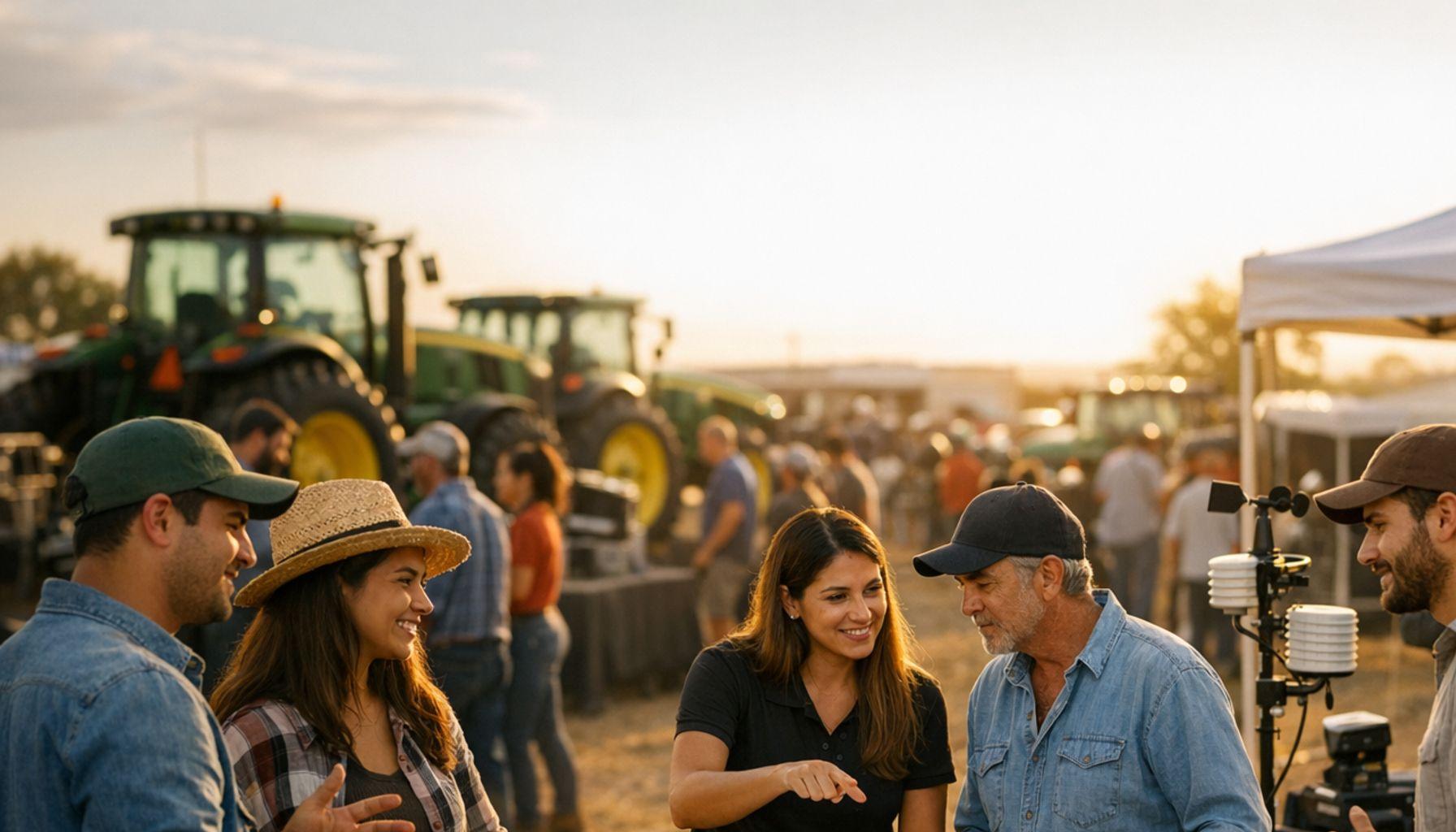
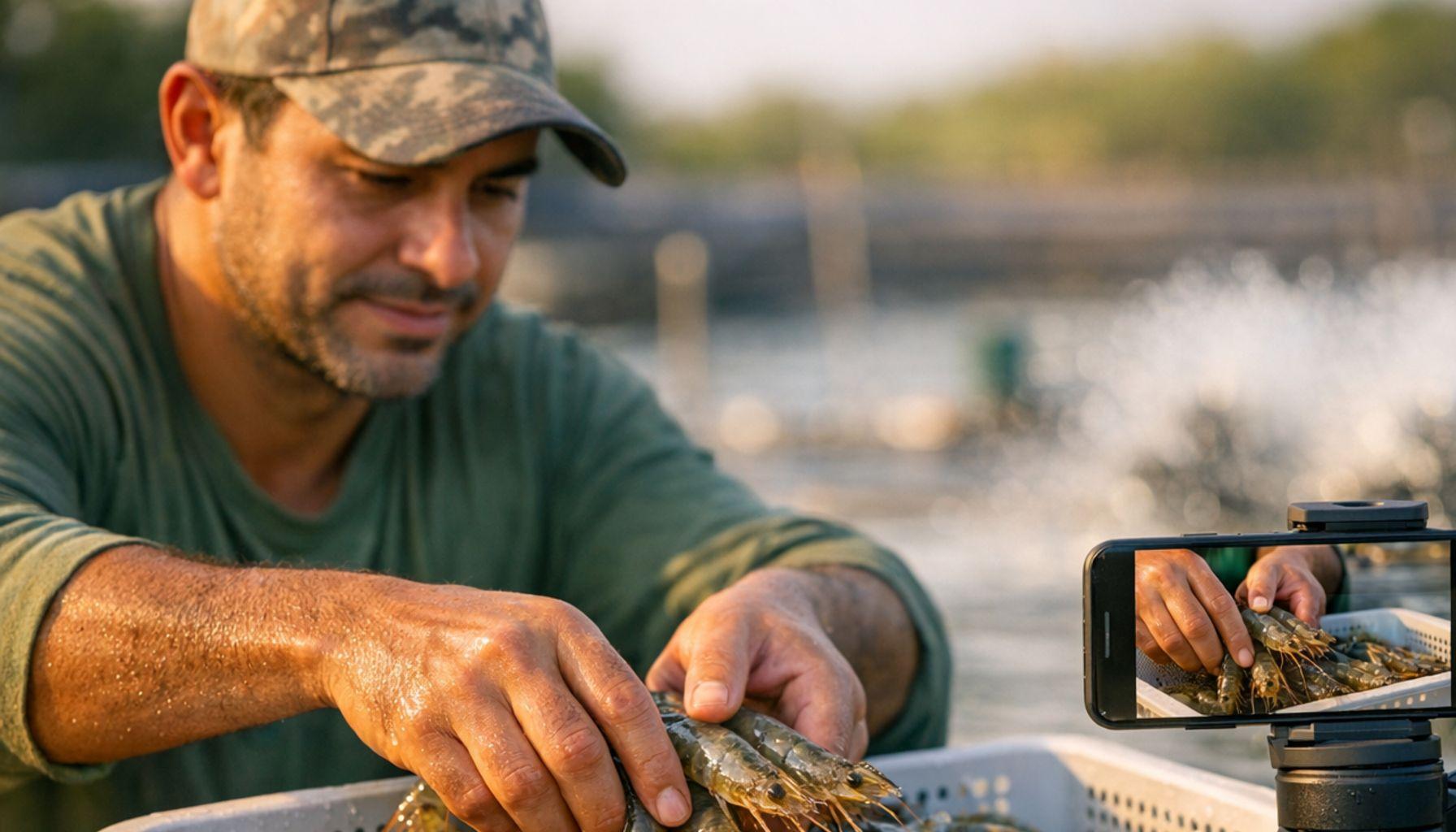
Agtechs that need to prove their technology works outside the lab now have a new way into the United States. According to the Redheaded Blackbelt, which published a press release from UC ANR Innovate, the California AgTech Alliance has opened applications for its Innovation Grants Program. The program offers vouchers of up to $50,000 so agriculture startups can test, validate and bring to market solutions that benefit California farming. The deadline is November 20, 2026, at 11:59 p.m. Pacific Time, the outlet reports.
The focus is on a stage where many companies get stuck: turning an idea into something real and showing results in actual field conditions. According to the report, many startups struggle to find or pay for access to farms, specialized facilities, lab testing and business support. That is the gap the program is trying to close.
The initiative is run by UC ANR, the University of California division of agriculture and natural resources, which pays service providers directly. In practice, the startup never gets the cash itself. It uses the voucher to hire the testing, analysis or consulting it needs, and the university settles the bill with whoever did the work.
According to the Redheaded Blackbelt, about $1.7 million is expected to be available in total, and companies do not have to put up any matching funds. The money comes from California Jobs First. For Helle Petersen, director of UC ANR Innovate, a new farm technology only proves itself when it faces real growing conditions. The goal, she says, is to connect startups with researchers, with the UC ANR research and extension centers and with field partners who can help test what looks promising.
What the voucher covers
The outlet says the services fall into three areas. The first is land access: private farms, UC ANR research and extension centers across the state and other farmland, used for field trials, demonstrations and validation. This can also include research support tied to those trials.
The second area covers infrastructure and technology. That includes research and development, prototyping, lab analysis, specific equipment or software and user testing. The third covers professional services, such as customer discovery, go-to-market strategy, market development, financial planning and getting ready to talk with investors.
One detail matters a lot for planning. The $50,000 cap applies to the whole proposal, and a single proposal can combine services from more than one provider. Picture a startup making irrigation sensors that wants to run a field trial, check the accuracy of its device in a lab and fine-tune its pricing model with a consultant, all at once. All of that can fit into one proposal, as long as the total stays under the limit.
The startup always leads the project. It is in charge of technical direction, analyzing the results and writing the reports. Providers do the work, but the company stays responsible for where the project goes.
Priorities and selection criteria
There is also a topic filter. According to the Redheaded Blackbelt, every project must address at least one of the four priorities in the California agricultural research and innovation roadmap and name one as its main focus: water and soil management, automation and technology, pest management or biomass management.
Selection is competitive. Reviewers look at technical merit, feasibility, the strength of the team and providers, adoption potential, budget and support from growers. That last point stands out, because it shows that having interested farmers counts just as much as having good technology.
The program is not only for startups. The outlet says farms, ranches, universities, labs and organizations that offer technical or professional services can also apply to serve as providers.
What this means for Brazilian startups
This is the part that matters most for founders in Brazil. According to the Redheaded Blackbelt, a company does not need to be based or registered in California. The requirement is different: the project must bring a clear benefit to farming in the state, and every service paid for with the voucher has to be carried out there.
That means Brazilian startups with international operations, or with solid plans to enter the US market, could in theory compete. It pays to read the full rules before putting a proposal together, since the review criteria are demanding.
Even for those who will not apply, the California model offers some useful takeaways. The first is about field validation. The program treats on-farm testing as part of product development, with its own funding, not as something to deal with later. In agriculture, that fits a familiar reality: growers usually want to see a solution working in conditions close to their own. Understanding that pain point early can change the course of a business, as shown in the case covered in lessons from Agtech Mach on customer pain points.


The second takeaway is about public funding. One possible reading of the design is that paying the provider, instead of handing money to the startup, makes oversight simpler and points the funds at a clear goal: generating evidence. It is a format that may interest anyone following how the sector gets funded, a topic we covered in the story on the drop in agtech and AI funding.
Sarah Masterson, director of the California AgTech Alliance, made a similar point, according to the outlet. In her view, the vouchers help companies work with qualified providers, answer technical and business questions and gather the proof growers want to see.
The logic holds for agtechs anywhere, whether in California or in rural Goiás, Brazil. Results measured in the field help build trust with the people who will use the technology. To see how this trend connects to the capital flowing into the sector, check out the story on how technology and investment are driving agtech startups.