An unprecedented clash between Silicon Valley and Washington
Microsoft has officially entered Anthropic’s legal battle against the Pentagon, filing a supporting brief in federal court in San Francisco. The maker of the Claude model was labeled a supply chain risk by the U.S. Department of Defense, a designation that effectively bars it from any government work. This type of classification is normally reserved for companies with direct ties to foreign adversaries, like China. Never before has an American company received this label, making the case absolutely unprecedented in the U.S. tech and defense landscape.
The case goes far beyond a dispute between two parties. It raises central questions about the ethical boundaries of artificial intelligence in military operations, the role of human oversight in lethal decisions, and how far the government can go when pressuring tech companies that refuse to cross certain lines. With Google, Amazon, Apple, and OpenAI also signing a court brief in support of Anthropic, this battle has the potential to reshape the relationship between Silicon Valley and Washington for years to come.
In a statement, Microsoft said the Department of Defense needs reliable access to the best technology the country has to offer, and that everyone wants to ensure AI is not used for mass domestic surveillance or to start a war without human control. According to the company, the government, the entire tech industry, and the American public need a path to achieve all of these goals together.
The weight Microsoft carries in this equation
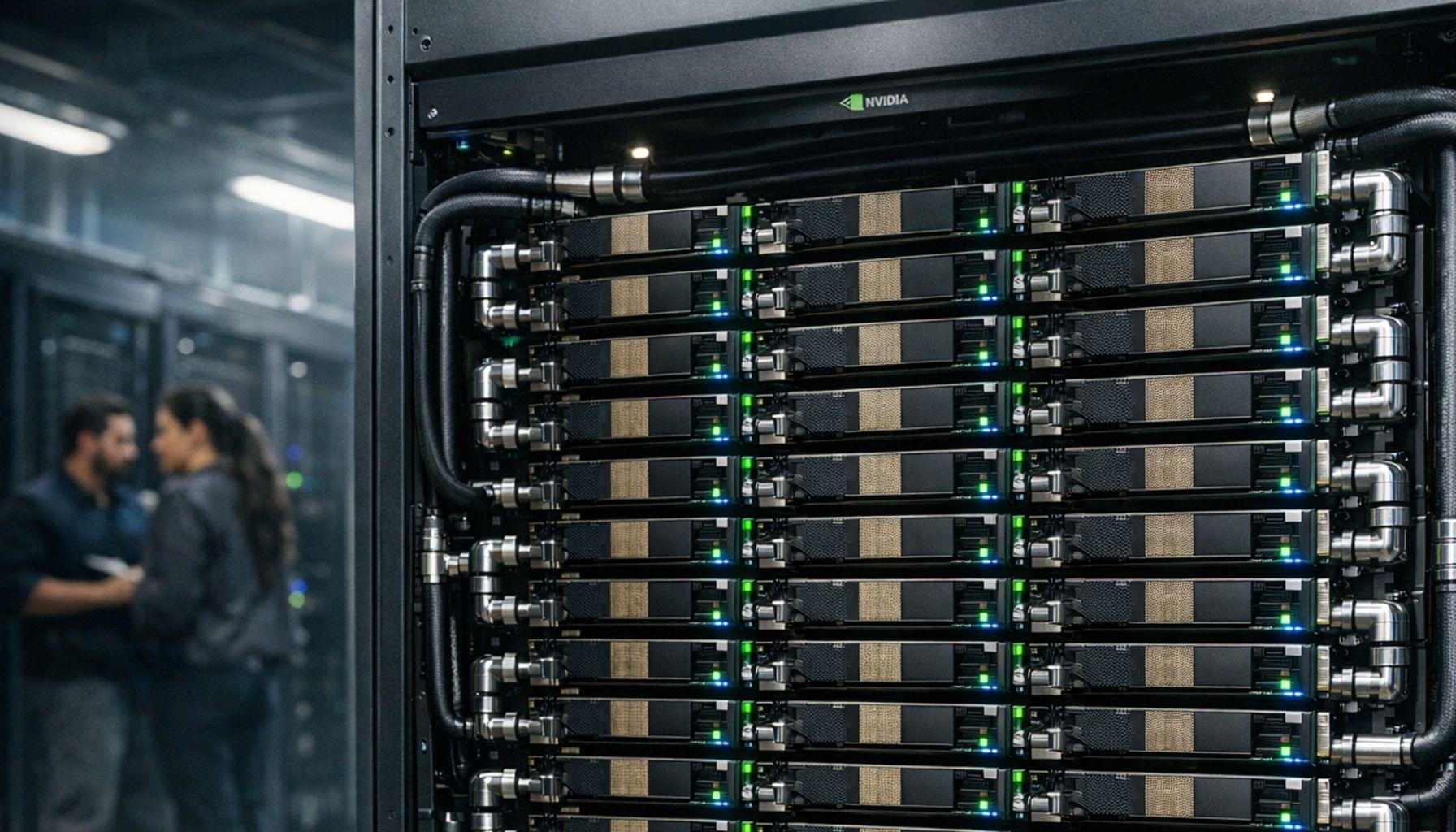
Microsoft’s decision to publicly stand alongside Anthropic carries enormous weight. The company is one of the most deeply integrated technology partners the Pentagon has. It holds a share of the Joint Warfighting Cloud Capability contract, valued at 9 billion dollars and awarded during the Biden era, alongside Amazon, Google, and Oracle. On top of that, it holds separate software and enterprise services contracts totaling several billion dollars more.
Microsoft’s contracts with the U.S. government span defense, intelligence, and civilian agencies. More recently, in September, under the Trump administration, the company closed another multibillion-dollar deal with the GSA to accelerate cloud services adoption and the advancement of artificial intelligence across the federal government. Microsoft also integrates Anthropic’s AI tools into systems it provides to the U.S. military, which makes Anthropic’s supply chain risk classification a direct and concrete problem for its own operations.
In the court filing, Microsoft argued that a temporary restraining order was necessary to prevent serious disruptions to vendors whose products rely on Anthropic’s technology. In other words, the Pentagon’s designation does not just affect Anthropic directly — it triggers a domino effect across an entire network of companies that use its AI models as components of solutions sold to the government.
Why Anthropic was classified as a risk
The root of the problem lies in contract negotiations that fell apart last month. The Pentagon was negotiating a 200-million-dollar deal to deploy Anthropic’s artificial intelligence in classified military systems, right as the United States was gearing up for the conflict with Iran.
Talks broke down when Anthropic insisted its technology should not be used for mass surveillance of American citizens or to power lethal autonomous weapons. That stance led Pete Hegseth, the Secretary of Defense, to classify the company as a supply chain risk. Last week, the Pentagon formally notified Anthropic of the decision, and the company says its government contracts have already started being canceled.
Making matters worse, Emil Michael, the Pentagon’s chief technology officer, publicly told CNBC there is zero chance the agency will resume negotiations with Anthropic after the designation. That statement closed the door on any diplomatic resolution and pushed the case squarely into the legal arena.
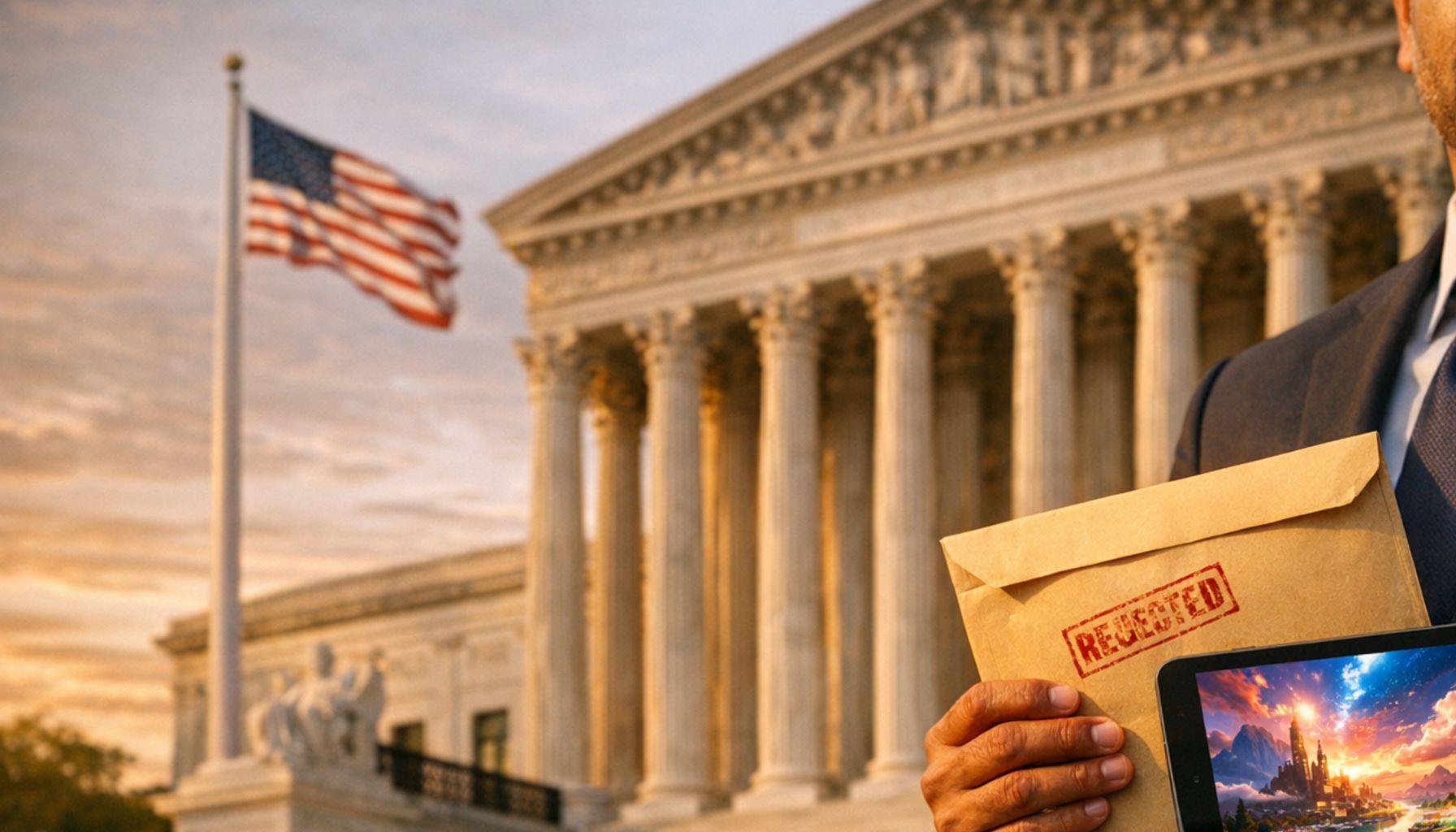
Anthropic filed two simultaneous lawsuits on Monday — one in federal court in California and another in the D.C. Circuit Court of Appeals — challenging the Pentagon’s decision. In its petition, the company laid out the limitations behind its own technology. According to the filing, Anthropic currently does not have confidence that Claude would perform reliably or safely if used to support autonomous lethal warfare operations. The usage restrictions, therefore, are rooted in the company’s unique understanding of the risks and limitations of its AI model.
The First Amendment question and ideological punishment
One of the most impactful arguments raised by Anthropic is that its rights under the First Amendment of the U.S. Constitution are being attacked. The company argues the Pentagon used the supply chain risk classification — a tool normally reserved for companies with ties to foreign adversaries — as ideological punishment for its public stance on AI safety.
This line of argument is particularly relevant because it transforms the case from a simple contract dispute into a constitutional free speech issue. If the court accepts this argument, the precedent it sets would be powerful: the government could not use national security regulatory mechanisms to retaliate against companies that publicly express ethical concerns about how their products are used.
Experts in administrative law and technology have already pointed out that the classification appears disproportionate. Applying this regulatory tool to an American company, founded by former OpenAI researchers and headquartered in San Francisco, represents a significant shift in how the government can wield this mechanism. The concern is that this decision sets a dangerous precedent, where any company that disagrees with the Pentagon’s demands could be punished in a similar way, stifling innovation freedom and corporate autonomy in the artificial intelligence sector.
The cascading effect on the government contract market
The impact of this legal dispute is already being felt across the entire government contracting ecosystem for technology. Smaller companies that provide artificial intelligence solutions to federal agencies are reassessing their positions and internal policies, fearing that any stance on ethical boundaries could result in similar retaliation. This effect is particularly concerning because the AI-for-defense market is booming, with projections pointing to hundreds of billions of dollars in investment over the coming years.
If the most innovative companies are systematically excluded for maintaining safety standards, the Pentagon could end up relying on less sophisticated or less committed suppliers when it comes to responsible artificial intelligence development. Ironically, this could compromise the very national security that the risk classification supposedly seeks to protect.
The joint stance of Google, Amazon, Apple, and OpenAI alongside Anthropic underscores the gravity of the situation. These companies rarely agree publicly on anything, and the fact that they are all aligned on this cause shows the level of concern the Pentagon’s decision has generated across the industry. When direct competitors unite like this, the message is clear: this line should not be crossed.
The Iran conflict context and the question of AI in military targeting
The case gains additional layers of complexity when placed within the broader context of the conflict between the United States and Iran. While the legal dispute unfolds, an internal Pentagon investigation into a Tomahawk missile strike on a primary school called Shajarah Tayyebeh found, in preliminary examinations, that Washington was responsible for the deaths. According to Iranian authorities, at least 175 people died in the attack.
It is still unclear whether artificial intelligence was used in target selection for that specific strike. According to people familiar with the investigation, the incident appears to have been caused by a target identification error based on outdated data from the U.S. Defense Intelligence Agency. However, the mere possibility that AI systems played a role in the target selection process has raised alarms in the U.S. Congress.
On Thursday, House Democrats sent a letter to the Pentagon raising concerns about what they called a broader pattern of civilian harm caused by American and Israeli strikes in Iran. The lawmakers specifically pressed for information about the role of artificial intelligence in target selection.
The legislators’ questions were direct and pointed: if artificial intelligence is being used, is it subject to human review, and at what point? Was the Maven Smart System used to identify the Shajarah Tayyebeh school as a target? If so, did a human being verify the accuracy of that identification? These questions touch on exactly the central point of Anthropic’s refusal to allow its systems to be used without adequate human oversight in lethal contexts.
Anthropic’s stance on AI safety
Anthropic has always set itself apart in the market precisely by making safety its number one priority. The company was founded with the explicit mission of developing artificial intelligence that is trustworthy and aligned with human values. Its models include layers of protection that limit potentially dangerous uses, and the company regularly publishes research on AI alignment and risk mitigation.


That stance, which is praised by academics and regulators around the world, has now become the very reason the company is being penalized by its own government. It is a contradiction that has not gone unnoticed by the tech community and raises serious doubts about the Department of Defense’s priorities when it comes to artificial intelligence.
The fact that Anthropic was transparent about Claude’s limitations — admitting it does not have confidence in the system’s reliability in autonomous warfare scenarios — is exactly the kind of honesty the artificial intelligence industry needs. Punishing a company for that transparency sends a troubling message to the entire ecosystem: it is better to stay silent about risks than to face the danger of being shut out of lucrative contracts.
What is at stake for the future of military AI
At the heart of this dispute is a question that will define the future of military technology: who gets to decide the ethical limits of artificial intelligence in defense contexts? If the Pentagon wins this battle, the message will be that the government holds near-absolute power to dictate how private companies must configure their AI systems, regardless of the safety concerns raised by the developers themselves.
On the other hand, if Anthropic and Microsoft prevail, it will establish a precedent that tech companies have the right to maintain their safety guidelines, even when that means walking away from lucrative government opportunities. The balance between national interest and corporate responsibility is delicate, and there are no easy answers.
From a regulatory standpoint, the case could also directly influence legislation currently being debated in the U.S. Congress on the use of artificial intelligence in military applications. Lawmakers from both parties have already shown interest in following the court proceedings, and there are proposals in the pipeline that seek to create more transparent guidelines for the Department of Defense’s acquisition of AI technologies.
Regardless of the judicial outcome, this case has already changed the dynamic between tech companies and the U.S. government. Microsoft, by publicly standing alongside Anthropic, showed that even the biggest beneficiaries of government contracts are willing to draw a line. The Pentagon, in turn, will have to recalculate its AI technology acquisition strategy, especially if the court imposes restrictions on the use of security classifications as a pressure tool. One thing is certain: the relationship between Silicon Valley and Washington has entered a new phase, and the decisions made in the coming months will echo across the entire artificial intelligence industry for decades to come 🔍