How artificial intelligence is transforming political campaign ads in the United States
The use of artificial intelligence in political campaigns is no longer science fiction — it has become a very concrete reality in the United States. With the midterm elections approaching, candidates from both parties are turning to synthetic content generation tools to produce ads ranging from videos with manipulated faces to audio that perfectly replicates the voices of political opponents. The current landscape includes eerie narrations, fake images of politicians, and scenes that look real until you pay close attention to the details. The era of AI-powered election advertising has arrived, and everything is moving far too fast for regulators and voters to keep up.
The goal of these strategies is clear: create visual and audio narratives so convincing that the average voter cannot tell what is real from what was fabricated by an algorithm. And the tactic works because our brains tend to trust what our eyes see and ears hear, especially when the content shows up in a social media feed sandwiched between posts from friends and family.
Real cases that show the scale of the problem
One of the most recent and telling examples came from the Republican Senate campaign arm, the NRSC. The committee published an AI-generated video that used old tweets to put words in the mouth of a fake image of James Talarico, the Democratic candidate for Senate in Texas. And this was not an isolated case. In October, the same group had already released an attack ad featuring a deepfake of Senator Chuck Schumer, the New York Democratic leader. Around the same time, another AI-generated ad targeted Zohran Mamdani, who went on to become mayor of New York City, during his campaign.
This type of content spreads at an absurd speed. A well-produced deepfake can be shared millions of times before any fact-checking team can confirm it is a digital fabrication. And the reputational damage done in that window is hard to undo, because people tend to form impressions quickly and rarely go back to check whether what they saw was actually true. As a quote often attributed to Jonathan Swift, the author of Gullivers Travels, puts it: a lie flies while the truth comes limping after it.
The Trump administration has also helped normalize this type of content. The administration has openly communicated through AI-generated memes and digitally altered content. And when the president sets the political tone, candidates at every level tend to feel less cautious about using the same technology. The calculus is simple: if the public is increasingly desensitized to fake influencers, fabricated celebrities, and fake war footage, why not one more fake politician? 🤯
It is not just a Republican thing
Although the most widely discussed recent examples come from the Republican side, artificial intelligence in political advertising is a bipartisan tool. Jesse Jackson Jr., who is trying to win back his old seat representing Illinois in Congress, launched an ad featuring former Representative Bobby Rush delivering an endorsement with an AI-enhanced voice, since his vocal cords had been weakened by cancer.
A Democratic candidate in upstate New York, running to replace Republican Elise Stefanik, ran an ad over the summer that used AI-generated video of Stefanik to ridicule her. The difference is that the Democratic Campaign Training Committee discouraged its candidates from using deepfakes of opponents, signaling that there is at least an attempt at self-regulation within the party.
Local elections are being affected too. In a school board race in the Columbus, Ohio area, three male candidates endorsed by Republicans produced AI-generated clips of their three female opponents, backed by Democrats, saying outrageous things. The debate that followed — questioning whether it was deceptive and dangerous or just lighthearted humor — perfectly captured the broader conversation around political deepfakes. An important detail: all three men lost the election.
The legislative landscape and the limits of regulation
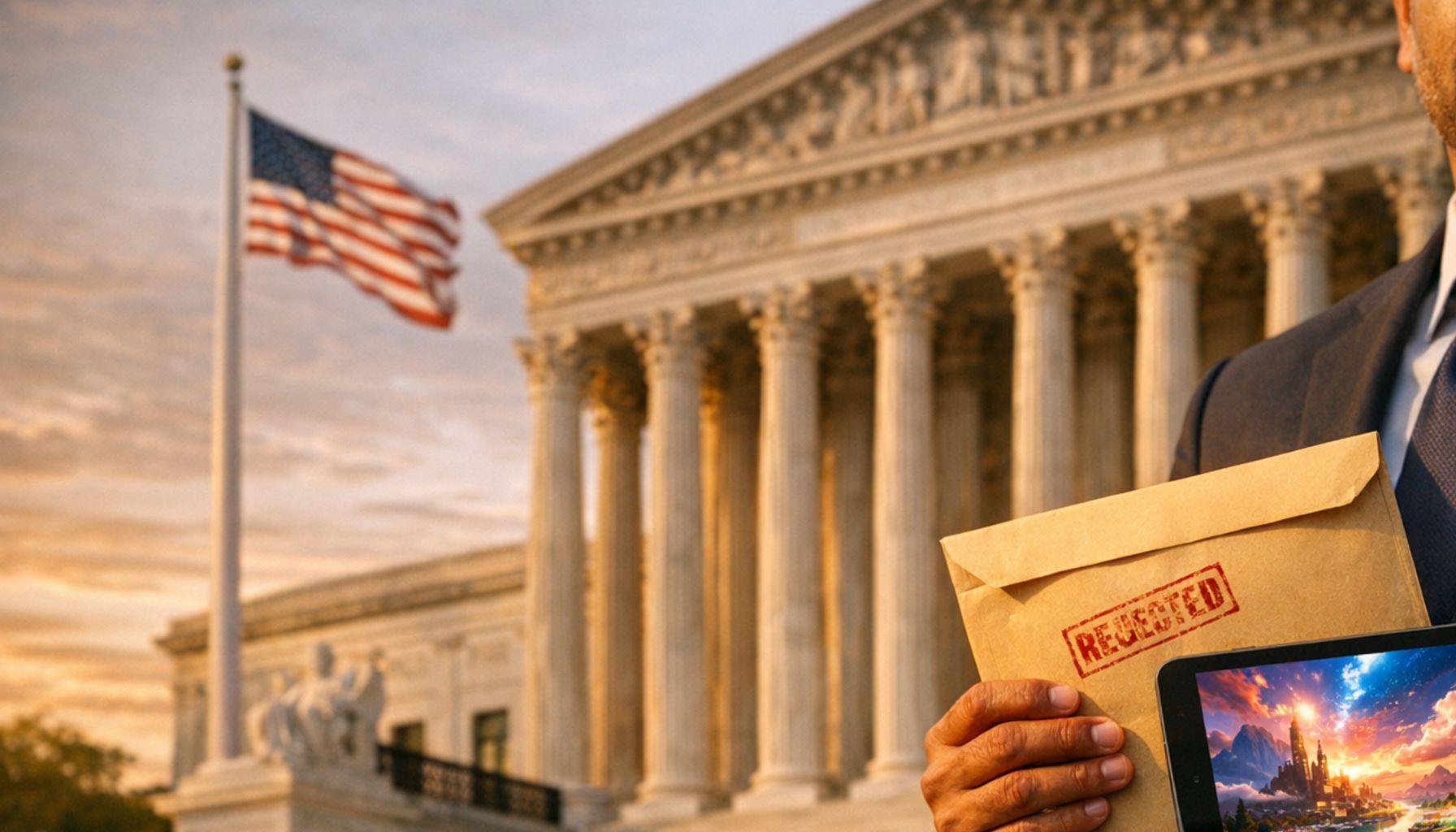
As of last December, 26 American states already had some type of legislation attempting to address the use of deepfakes in political contexts. Most of these laws require some form of disclosure about AI use or prohibit the distribution of deepfakes shortly before an election. But the reality is that these laws vary enormously in scope and effectiveness.
The big question is: do these laws actually work? The answer is debatable at best. The Federal Communications Commission has made progress on some fronts, such as banning AI-generated voices in robocalls — something that gained prominence after a 2024 incident in which a robocall imitated President Joe Bidens voice. The commission has also considered rules on political deepfakes in television and radio ads, but progress has been slow.
At the federal level, there is currently no comprehensive national law specifically regulating the use of AI in political campaigns. The good news is that support for legislation on election deepfakes tends to be bipartisan, which could pave the way for future progress. But while the legislative process operates in cycles of months or years, the technology evolves in cycles of weeks. By the time a law is finally passed, the tools it was meant to regulate may have already morphed into something completely different.
Practical enforcement is also a massive challenge. Many manipulated ads are distributed through decentralized networks, anonymous accounts, and platforms that do not readily cooperate with investigations. And the line between satire protected by the First Amendment and deliberate disinformation is not always clear, which leads to lengthy and expensive legal disputes. In practice, voters end up unprotected during the most critical window — the gap between when fake content is published and when a ruling eventually classifies it as illegal.
What politicians and platforms are doing to fight back
Campaigns are trying to adapt, though in most cases they are playing catch-up. Some politicians have started recording every event they attend in an effort to maintain an accurate record of everything they actually said and did. Others are hiring tech-world consultants to help identify and rapidly respond to deepfakes.
On the platform side, YouTube recently announced a pilot program to help political candidates and others detect videos that use their AI-generated likenesses. Both Microsoft and YouTube are involved in an effort to develop technical standards that help identify the origin of content and verify whether it is authentic. These are important initiatives, but they are still in their early stages and far from covering the full scope of the problem.
Fact-checking organizations like Reuters Fact Check and PolitiFact also maintain dedicated teams to analyze viral content and assess its accuracy. When a controversial video or audio clip of a candidate starts circulating, the recommendation is straightforward: before sharing, check whether that content has already been verified by one of these organizations. That pause of just a few seconds can be the difference between amplifying disinformation and breaking its chain of spread 👀
How to spot deepfakes and protect yourself from disinformation
Despite their growing sophistication, there are signs that can help anyone flag potentially manipulated content. Reporter Tiffany Hsu of the New York Times, who specializes in disinformation, points out some common clues:
- Artificially smooth and centered appearance: AI-generated images often look too perfect, with an almost plastic quality
- Mismatched eye reflections: in close-ups of AI avatars, the reflections in the eyes may not match each other
- Odd blinking patterns: in videos, the frequency and rhythm of blinking can seem unnatural
- Irregular hairline: the scalp area and the transition to hair often show inconsistencies
- Backgrounds that defy physics: scenes may contain elements that do not obey the laws of nature, like cars merging into one another or shadows pointing in inconsistent directions
Of course, clever prompting can work around many of these telltale signs. And the technology is improving faster than detection services or legislation can keep pace. The New York Times team periodically produces interactive quizzes to test whether readers can distinguish AI-generated content from reality, and even professionals who deal with this topic daily are finding it increasingly difficult to get it right.
The importance of digital literacy
At the end of the day, public digital literacy is probably the most lasting defense against the misuse of artificial intelligence in political campaigns. Understanding that current technology can create videos, audio, and images that are virtually indistinguishable from reality fundamentally changes how we consume political information.
This is not about distrusting absolutely everything and falling into paranoia, but about developing the healthy habit of questioning the origin of content, verifying whether the source is credible, and cross-referencing information before forming an opinion based on a single ad or viral post. That individual shift in mindset, when multiplied by millions of voters, has the potential to significantly reduce the impact of deepfakes and make manipulation attempts far less effective.


What to expect from the midterm elections
The expectation among experts is that the use of artificial intelligence in political ads will intensify in this years midterm elections. With the normalization of AI-generated content coming from the highest levels of political power, candidates at every level — from federal races to local school board contests — will likely feel more comfortable experimenting with these tools.
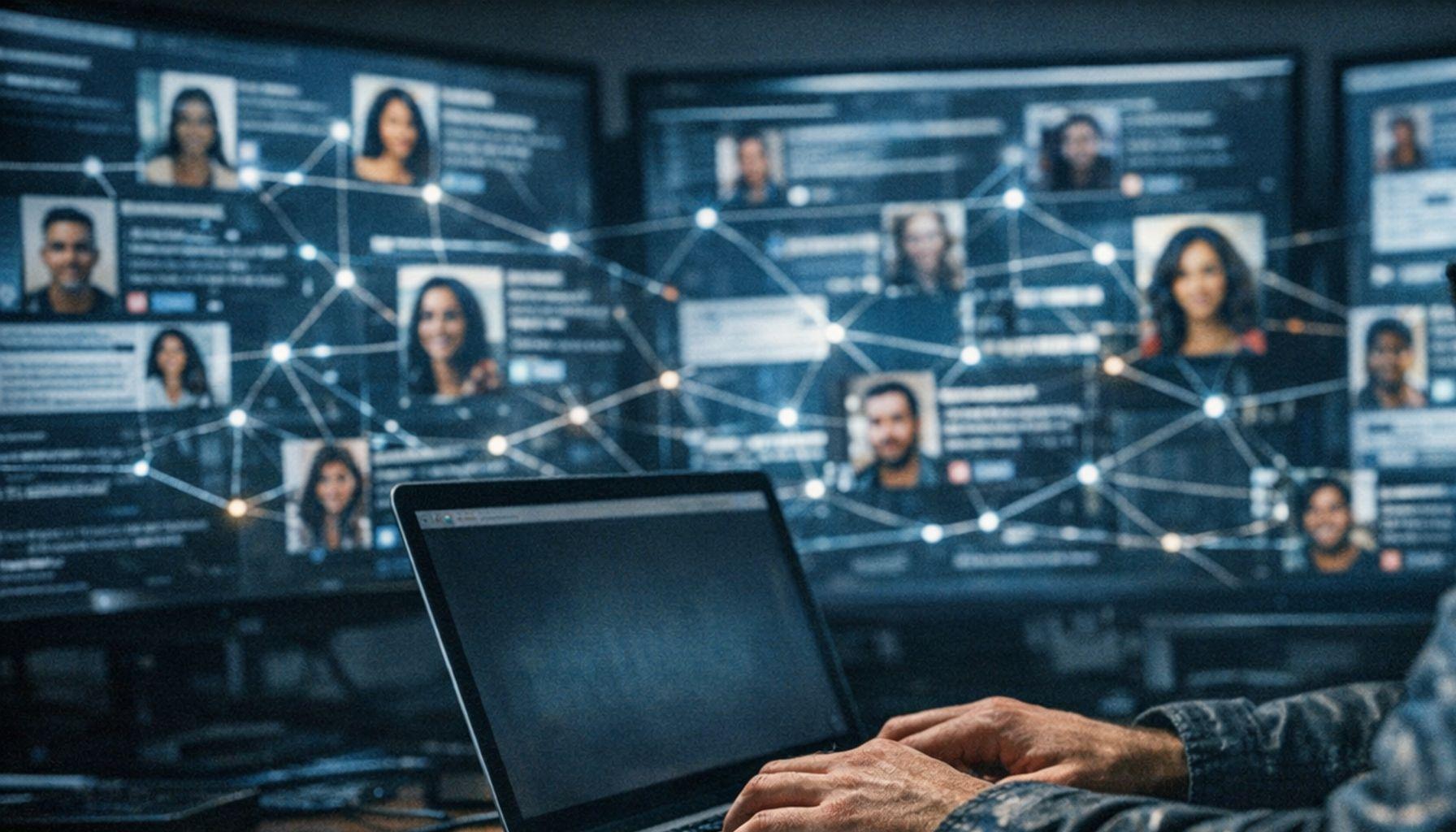
Beyond the classic audio and video deepfakes, artificial intelligence is also being applied in less obvious but equally impactful ways. Generative AI tools are creating photorealistic images of events that never happened, like massive crowds at rallies for candidates with little popular support. Bots powered by advanced language models are producing comments and social media posts that mimic real voters, artificially inflating the perception of support for a particular candidacy. It is an entire manipulation ecosystem operating on multiple layers simultaneously.
The most interesting battleground to watch may actually be local elections, where there is less media scrutiny and fewer resources for fact-checking. If school board candidates are already using deepfakes, imagine what could happen in mayoral races and city council contests across the entire country.
A conversation that matters beyond the U.S.
Although the cases reported here come from the American landscape, the discussion is extremely relevant to any democracy on the planet. The same artificial intelligence tools used to create deepfakes of American senators are available globally, many of them for free or at very low cost. With elections constantly on the horizon around the world, the debate around regulation, detection, and digital literacy when it comes to AI-generated political content deserves attention everywhere.
The best technology against disinformation is still a well-informed voter who understands the environment we are living in. And the sooner each person realizes that an impactful video in their feed may have been fabricated in minutes by an algorithm, the harder it becomes for those trying to manipulate the democratic process using artificial intelligence as a weapon.