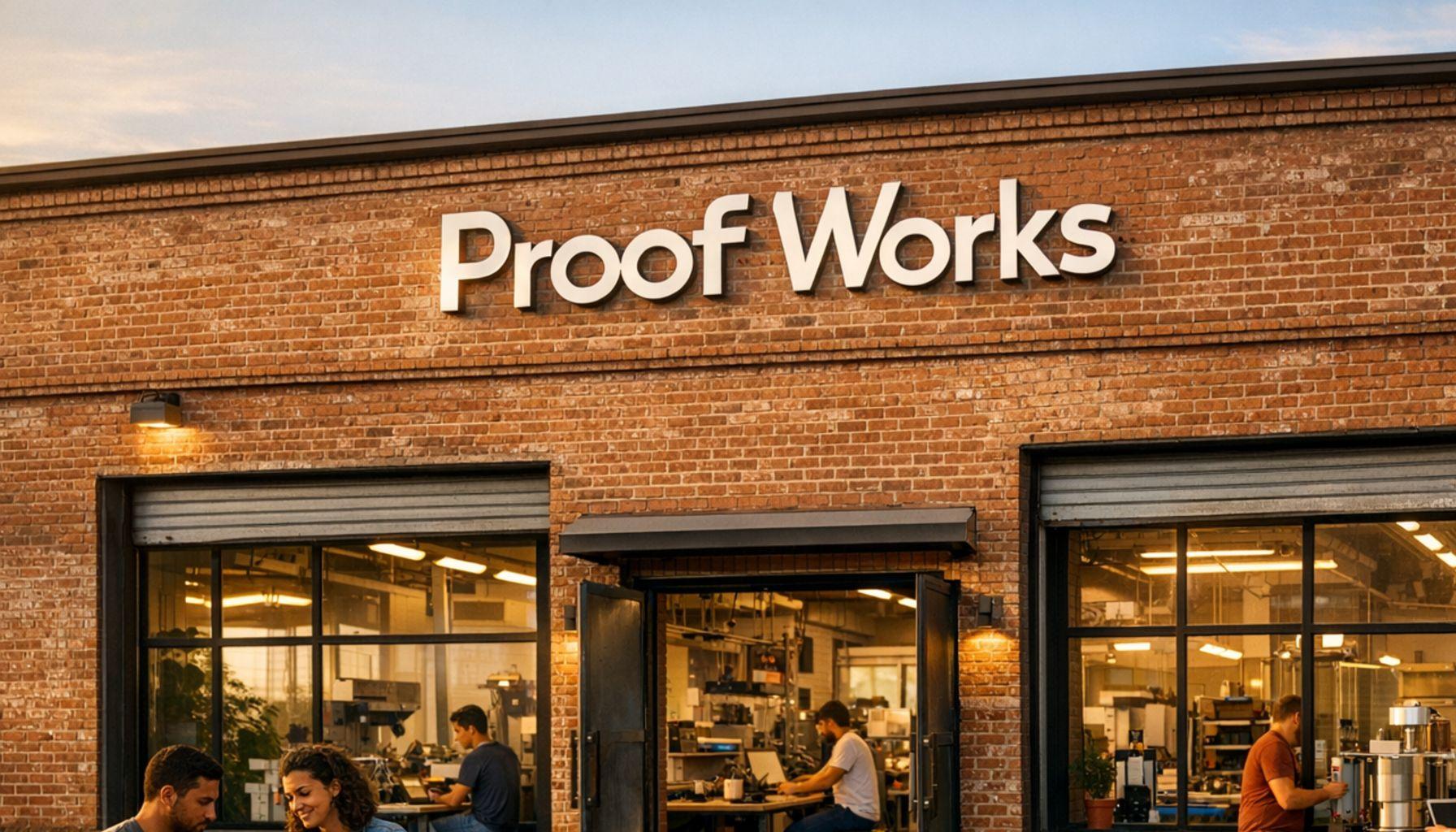
Startup hiring got a stage of its own at Cornell University in the United States. According to the Cornell Chronicle, nearly 450 students attended the first startup recruiting and networking fair at the university, held on October 20 in the Computing and Information Science building. There, they talked with leaders from 20 young companies.
The event brought together businesses in robotics, defense, health tech and food, all chasing the same audience: young tech talent. Students went looking for internships, jobs and contact with people who already run their own businesses. The companies wanted to be seen by people who might never have found them on their own. Anyone in Brazil trying to build a team early, on a tight budget and without the visibility of a well-known brand, knows this challenge well.
Who organized it and why
According to the report, the event was sponsored by Cornell Bowers, the computing college, and by Cornell Duffield, the engineering school. The university career development office and the Entrepreneurship at Cornell program also backed it. In other words, it brought together the people who train students, the people who help them enter the job market and the people who encourage entrepreneurship. A combination that makes sense.
Sorin Lerner, dean of Cornell Bowers and professor of computer science, made a simple case to the outlet. In his view, students need more exposure to entrepreneurship and should understand that startups are also a path to a job. It is not just about founding a company. Plenty of startups already up and running are great places to start a career.
Lerner also pointed to a win for both sides. Students meet many companies in one place, and startups that could go unnoticed get face time with qualified future professionals.
What students were looking for
Based on the accounts gathered by the Cornell Chronicle, the conversation is not only about open roles. Diya Singhal, a design and environmental analysis student, has already worked at medical tech and education startups, as well as at large companies. She told the outlet she wants to stay in the startup world and that she likes the autonomy and decision-making power that this environment gives her. For her, the work is more rewarding.
Her friend Michelle DiCarlo, who just chose statistics as her major, went to explore internship options. She said she enjoys the applied side and experimental design, and sees startups as a good way to use those skills. She was also excited to meet alumni and young people running their own companies.
Jonathan Davenport interned at a startup over the summer. According to the report, he liked wearing many hats: he did software engineering, data analysis and monitoring of the site infrastructure. He went to the fair looking for companies that need someone with experience in data and DevOps, the field that brings software development and operations together. He also praised the format itself, with lots of startups gathered in the same space.
All three stories hit the same notes: autonomy, variety of tasks and learning.
On the other side of the table
Among the companies, the outlet highlighted BJ Kim, a former Cornell doctoral student and vice president of engineering at Persista Bio. He came to the event looking for interns and potential hires. The startup is developing a long-lasting cell implant that regulates blood sugar on its own in people with diabetes. According to the report, the company licenses technology from Cornell itself and from Giner, Inc., and operates out of the Center for Life Science Ventures, right on campus.
Drone City LLC was there too, with a representative chatting with students. The overall picture shows robotics, healthtech, foodtech and defense startups competing for attention in the same hallway.
What Brazilian startups can take from this
From here on, this is the view of the Método Viral newsroom, not data from the report. A joint fair tends to cut down the effort a small company needs to make to be found by people starting their careers. Instead of each startup trying to stand out alone, the event does that work for all of them.
The stories also suggest that, for many young people, autonomy and learning carry real weight in the decision. That does not replace a solid pay offer. Still, it shows that being clear about what the day-to-day of the role looks like can help attract good people. The Persista Bio case is also a reminder that the relationship with a university can go beyond recruiting, since the company uses technology licensed from Cornell. Anyone following how the international market attracts tech and AI startups can see that the hunt for talent is part of that movement.


It also helps to look at the hiring side. Our list of tech companies hiring UX designers shows how openings spread across very different profiles.
Next steps
According to the Cornell Chronicle, Zach Shulman, director of entrepreneurship at Cornell, wants the event to happen every year. He said students themselves had been asking for something like this and that the organizers were pleased with the response from both students and companies.
If the startup career fair becomes a regular part of the Cornell calendar, the model could inspire universities and innovation hubs here in Brazil. To keep following the ecosystem, it is also worth reading these lessons from Agtech Mach for Brazilian startups.